


.jpeg) Jo Wright
Jo Wright
Kazuya Nohara: living in indigo
.jpeg?width=30&name=New-DSC01916%20(1).jpeg) Jo Wright : Mar 6 2026
Jo Wright : Mar 6 2026
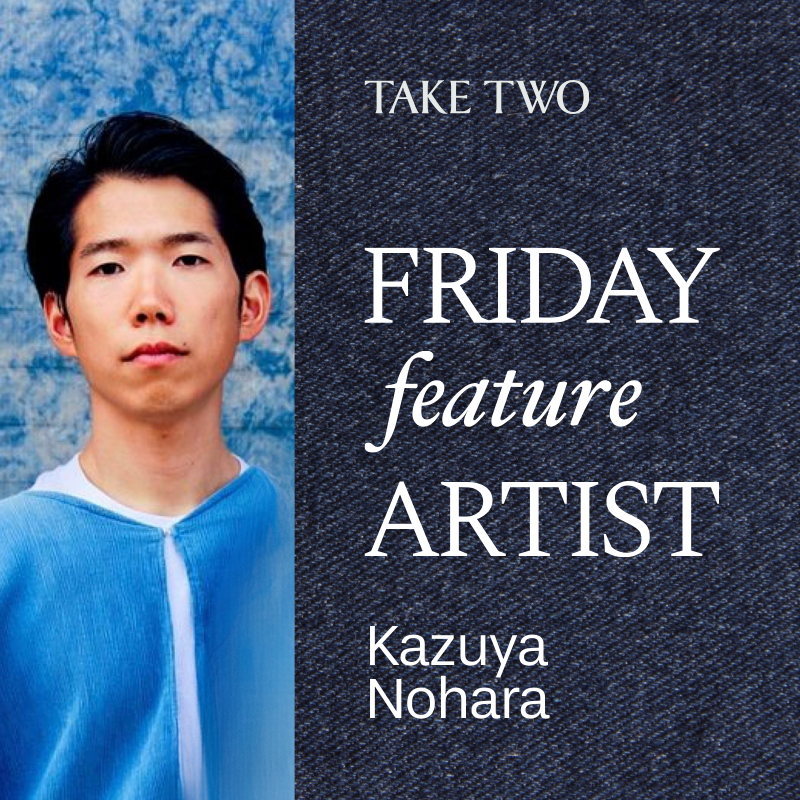
In this episode, we hear how Japanese designer Kazuya Nohara and his partner Miki work with traditional Hontate indigo fermentation in rural Japan,...



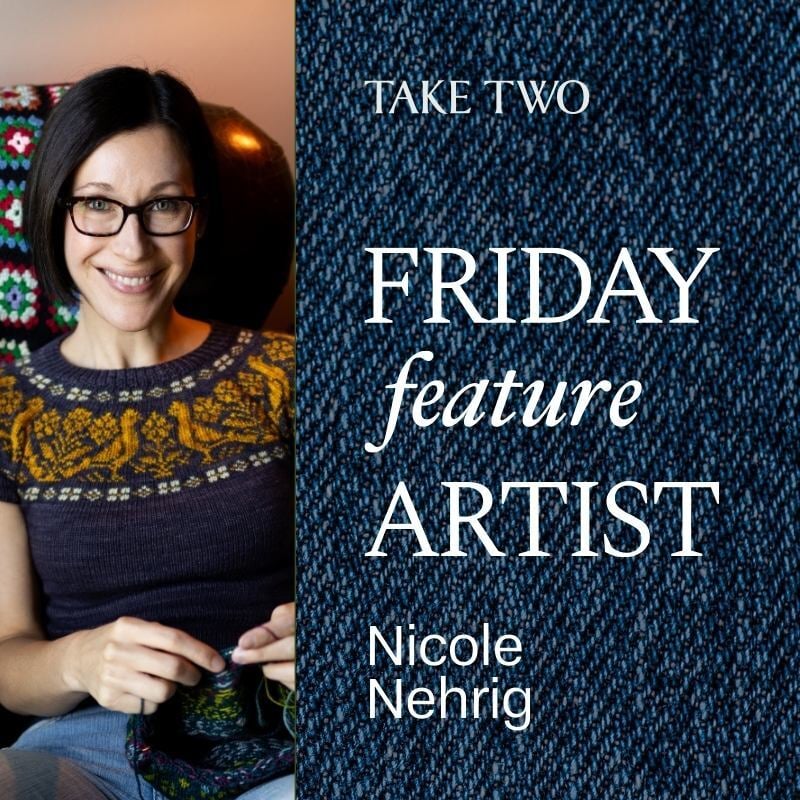
In this episode, psychologist, writer and textile maker Nicole Nehrig joins Jo Wright for a wide-ranging conversation on the social, historical, and cultural power of making. Drawing from her book and lived experience, Nicole reflects on craft as a therapeutic practice, a cultural language, and a tool for connection, protest and meaning-making across time.
Use making as a grounding practice – engage in repetitive, hands-on processes like knitting or quilting to support emotional regulation during stressful or uncertain periods.
Choose materials with intention – working with textiles that are useful or meaningful can deepen your connection to the work and sustain long-term creative practice.
Make alongside others – join or form a sewing, knitting or making circle to access the collective energy and insight that emerges through shared creative work.
Allow creativity beyond words – turn to visual or tactile forms of expression when language feels insufficient for processing experience.
During the live interview, we shared some images of Nicole’s artwork. Since you’re listening to the podcast version, we’ve made these images available for you below.
Join the conversation
What inspired you this episode? Share your biggest insight or favourite moment on social media, and tag @TakeTwoArtCourses.
1 min read
Jo Wright : Mar 6 2026
In this episode, we hear how Japanese designer Kazuya Nohara and his partner Miki work with traditional Hontate indigo fermentation in rural Japan,...

Jo Wright : Feb 27 2026
In this episode, textile artist Shelly Goldsmith works across hand weaving, digital cloth and installation to explore inheritance, motherhood and the...
 Angela Truscott : Oct 7 2025
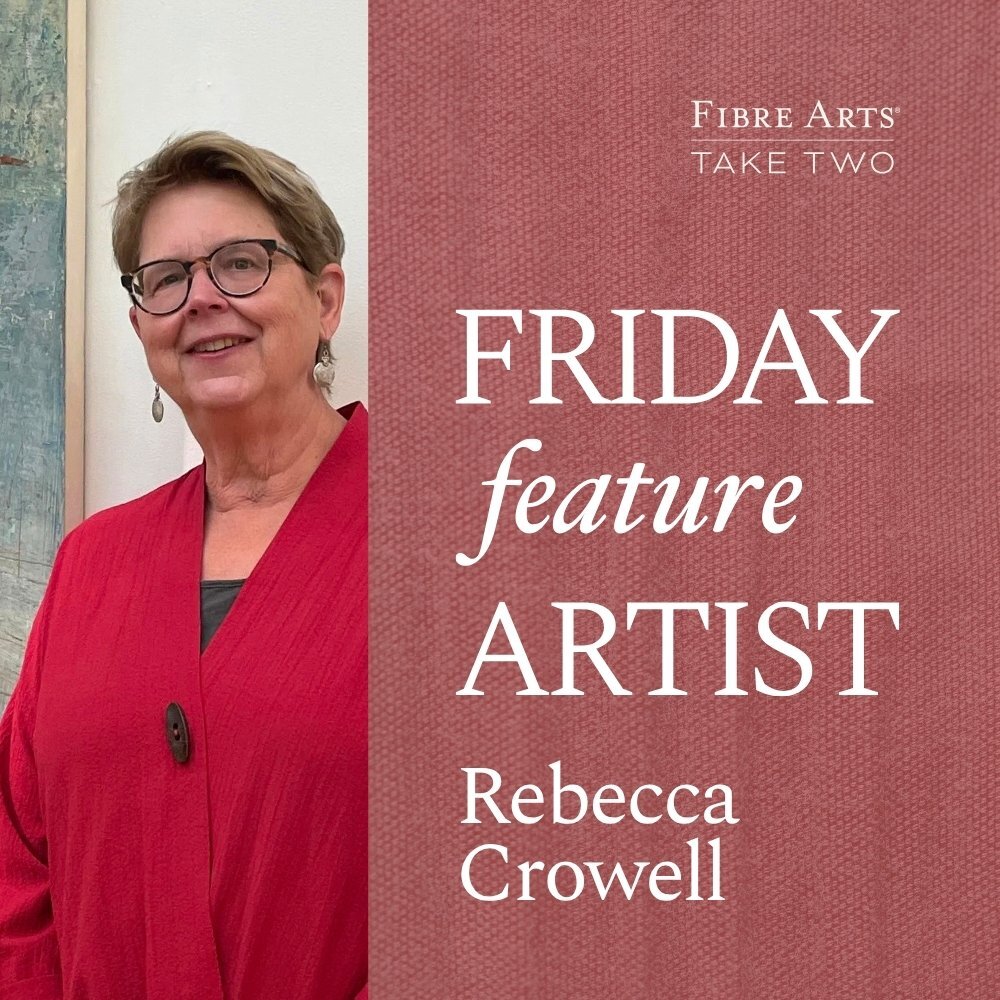
Painter, writer and educator Rebecca Crowell has helped redefine how artists engage with cold wax medium. In this conversation, Rebecca reflects on...
Angela Truscott : May 27 2025
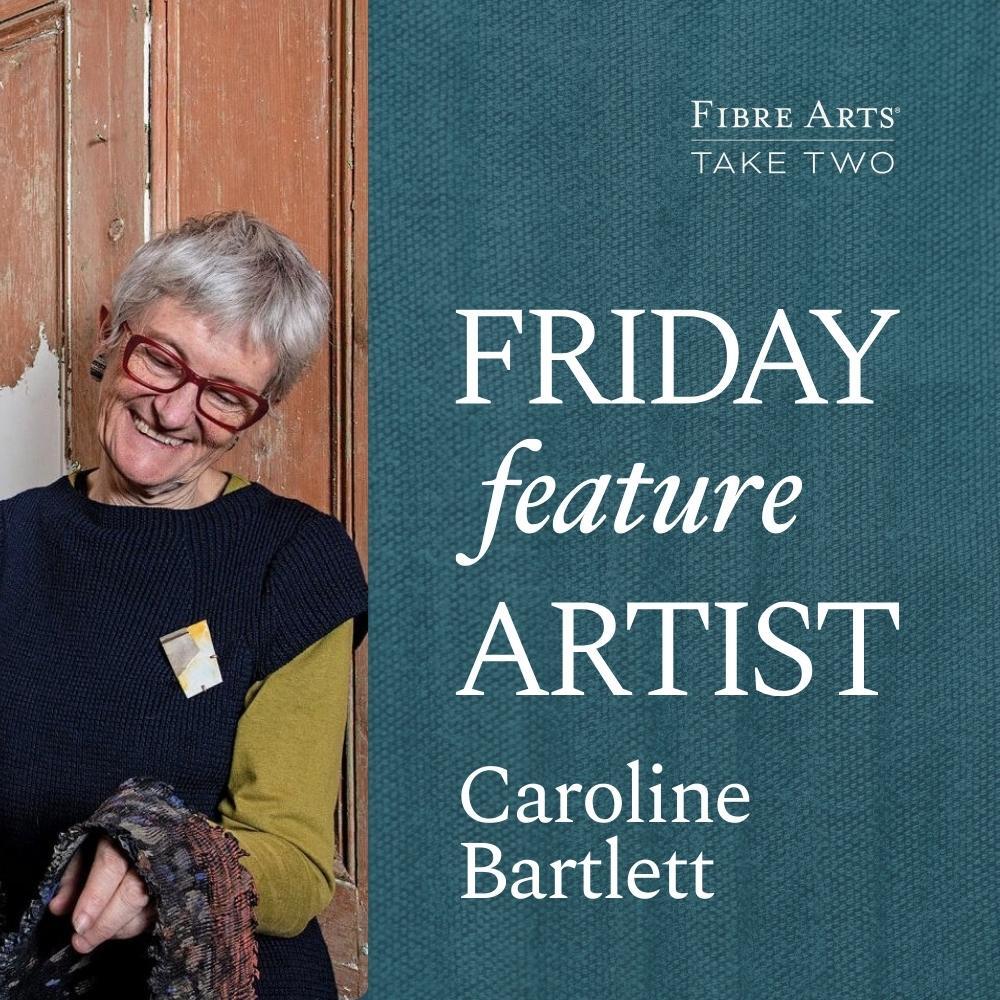
Textile artist Caroline Bartlett draws on memory to create poetic installations and pleated forms that honour material, history, and transformation....