Student Success Story: Liz May
When Liz May sits down to make, she works close to the hand. Tools matter. Materials matter. The quiet relationship between maker and object has...
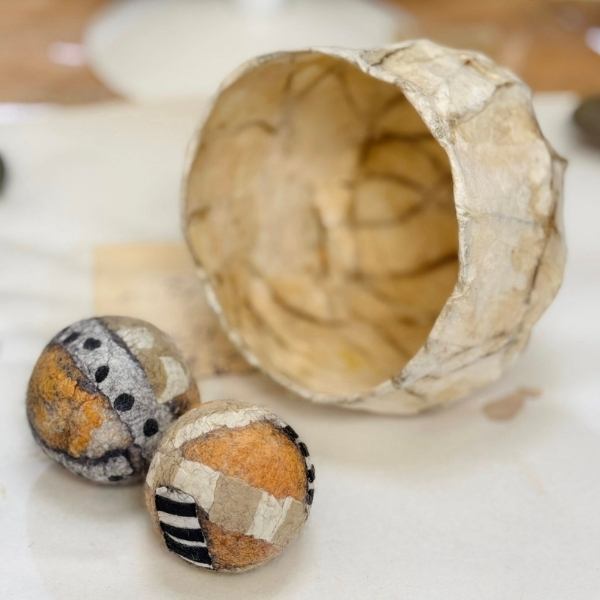
“Joy is my main motivator. My art is where I restore balance.”
Tanja Gawin is a German-born artist living in Melbourne, Australia. Today, she confidently calls herself a fibre artist, a title that reflects more than a material. It represents a creative journey that began around twelve years ago and continues to grow through curiosity, learning and joy.
Her main medium and first love is wet felting. Tanja discovered felt after rediscovering a long-forgotten stash of wool left over from her daughter’s primary school knitting phase. That wool led her to a book by Lanni Prior and to making wildly expressive tea cosies full of colour and playful form. Precision and counting stitches were never her strength. Flow and freedom were. Felt quickly became home.
Tanja trained as an interior architect in Germany and worked briefly in the field, but soon realised architecture was not for her. Too many straight lines. Her favourite subjects had always been life drawing and freehand sketching, which made sense in hindsight.
After moving to Australia, raising a child and working for twenty-five years as a social worker, creativity returned through fibre. Slowly, she allowed herself to use the word artist. It took time to feel comfortable with that identity, but now she embraces it fully.
As a fibre artist, Tanja is largely self-taught. Her architectural training gave her a strong understanding of how three-dimensional objects fit together, but her work is guided by joy. Joy of colour. Joy of shape. Joy of making something that did not exist before.
Tanja has always loved online learning. Long before it became mainstream, she valued the ability to learn at her own pace, revisit lessons and experiment with her ever-growing stash of materials.
She discovered Take Two around 2019 and has since taken six courses, now moving into her seventh. She often chooses courses by looking at student exhibitions. If something catches her eye, she explores the course with the intention of adapting techniques into her felt practice.
She describes Take Two courses as beautifully put together, both visually and in depth of knowledge. For her, they feel generous, thoughtful and deeply nourishing.
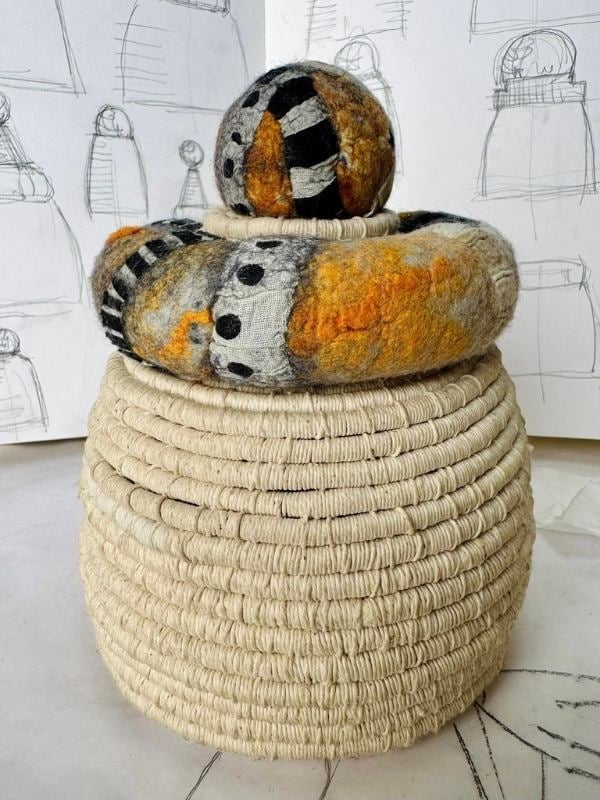
One pivotal moment came when Tanja watched a Friday Featured Artist interview with Lissa Hunter. At the time, she had been coiling baskets, but seeing how Lissa covered coiled forms with paper to create a surface for further work opened up a new direction.
She experimented straight away. Her first attempts felt clumsy, but she immediately recognised the potential. What stayed with her most was Lissa’s clarity as a teacher, not just explaining how to do something but why it matters.
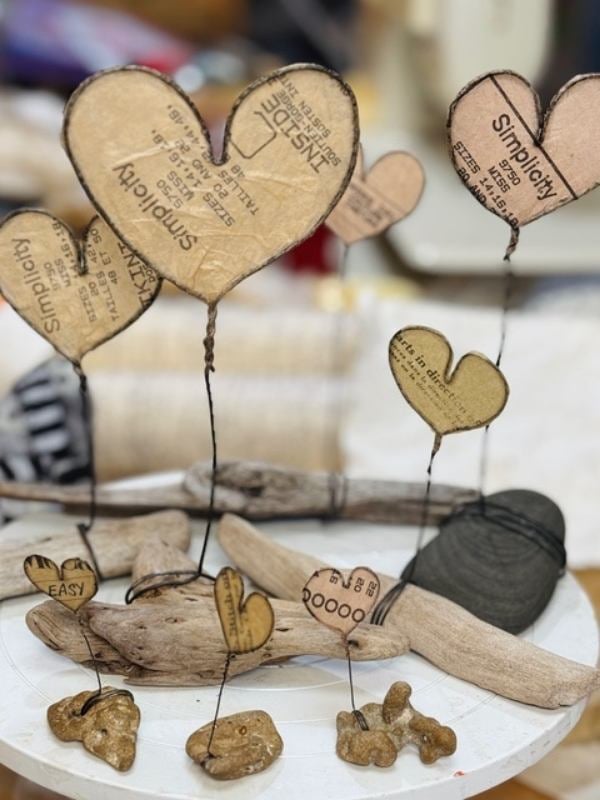
Although Tanja was unable to complete the entire course after her mother passed away, Lissa’s influence stayed with her. Techniques such as working with wire became ongoing threads in her practice. By that stage, Tanja had completed several Take Two courses, each contributing something different. Surface design. Structure. Or simply permission to play.
What united them all was an emphasis on joy in the process, not just the outcome.
Tanja does not feel the courses changed her practice entirely. Instead, they added to it. There is a red thread running through everything she makes. New techniques are absorbed and combined with what she already knows.
She loves pulling an older piece off the shelf, altering it, adding to it, or pairing it with new felt work. Her making is iterative and alive. Learning expands her practice rather than redirecting it.
Seeing the difference between her early experiments and later work made the value of layering, finishing and depth very clear. The before and after were unmistakable.
Joy is not just an aesthetic choice for Tanja. It is essential. Debbie’s course, in particular, came at a difficult time when her mother became seriously ill. Debbie’s warmth and joy helped her navigate those early weeks.
One small stitched book she made during that period remains deeply meaningful. She called it Little Book of Cheer in Difficult Times. It offered exactly that. The scale was manageable, the stitching meditative, and the act of making provided solace when she needed it most.
Working in palliative care, Tanja understands grief and the natural order of life. Art, for her, is where balance is restored. She does not seek challenge in her artwork. She seeks ease, flow and nourishment. Her art is where she refuels.
Before taking on a particularly intense work role, Tanja had built strong momentum in her practice, including solo exhibitions and articles published in Felt magazine. That rhythm was disrupted during her mother’s illness, and time remains her greatest challenge.
Now, she is looking ahead to re-establishing space for her practice, both mentally and physically. She has an upcoming exhibition and another article to write, and she holds a quiet hope of becoming a full-time artist one day.
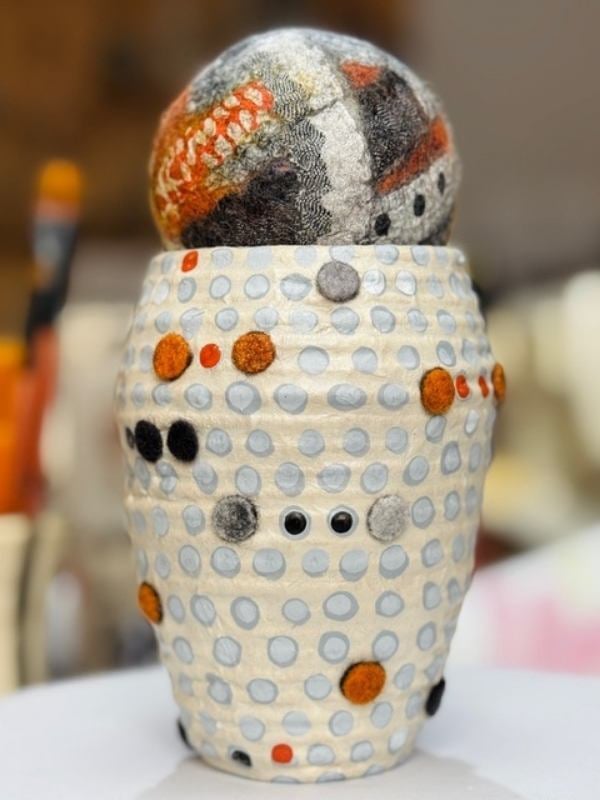
Her recent work integrates techniques learned across multiple Take Two courses. Older vessels have evolved through new layers and ideas. Some pieces are too precious to sell because they hold personal history and learning.
She describes each new course as a gift to herself, like unwrapping a Christmas present.
Tanja is unequivocal in her recommendation of Take Two courses. They are life-giving, beautifully crafted and deeply supportive.
For her, they offer more than skills. They offer joy, balance and a way to keep growing gently and honestly.
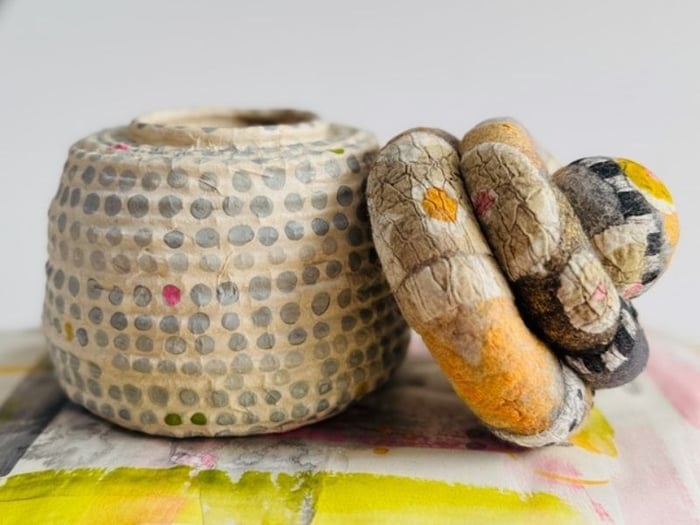
Connecting: A Philosophy of Making with Lissa Hunter brings together makers from a wide range of disciplines, including jewellery, ceramics, basketry, textiles and mixed media.
Designed for people who enjoy working with their hands and tools, the course offers structured prompts, thoughtful demonstrations and a supportive online community. Students are encouraged to explore materials, scale and process, building confidence in their creative voice.
With lifetime access to course content, participants can return, reflect and continue developing their practice over time, wherever it leads.
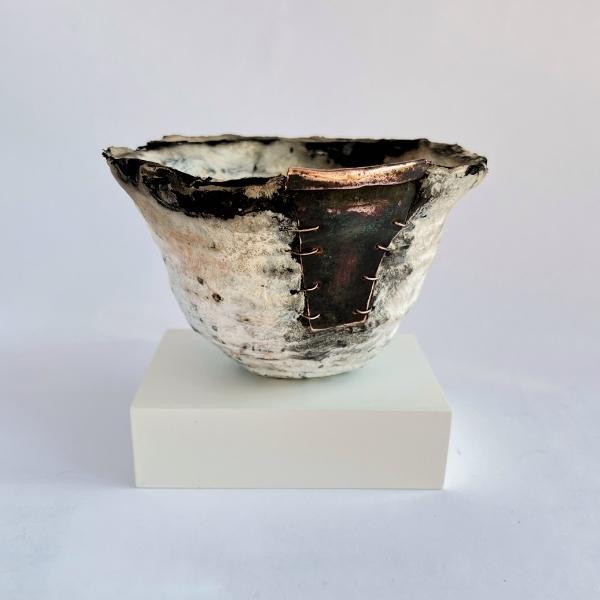
When Liz May sits down to make, she works close to the hand. Tools matter. Materials matter. The quiet relationship between maker and object has...
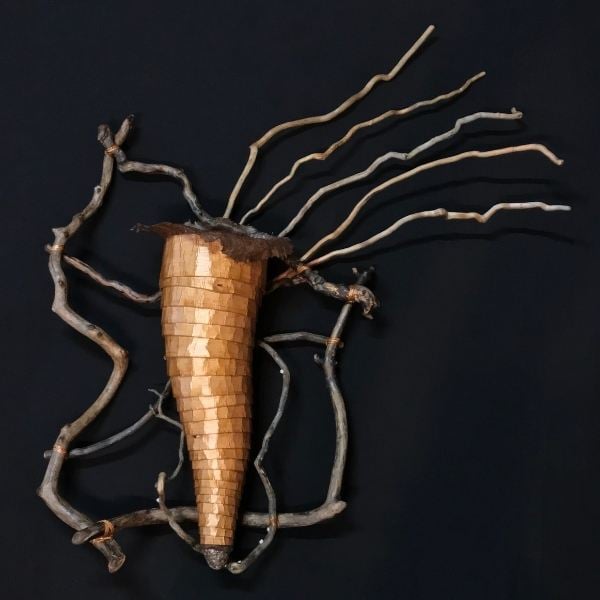
Melinda West is a plant-fibre weaver living in the Pacific Northwest of North America, along the Salish Sea on the land of the Suquamish peoples....
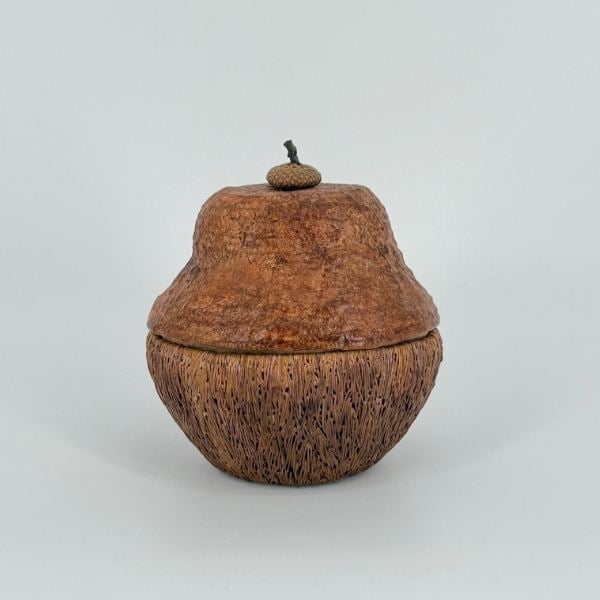
For most of her adult life, Lucy Dundon never imagined she would call herself an artist. Art simply wasn't part of her world. After nearly thirty...
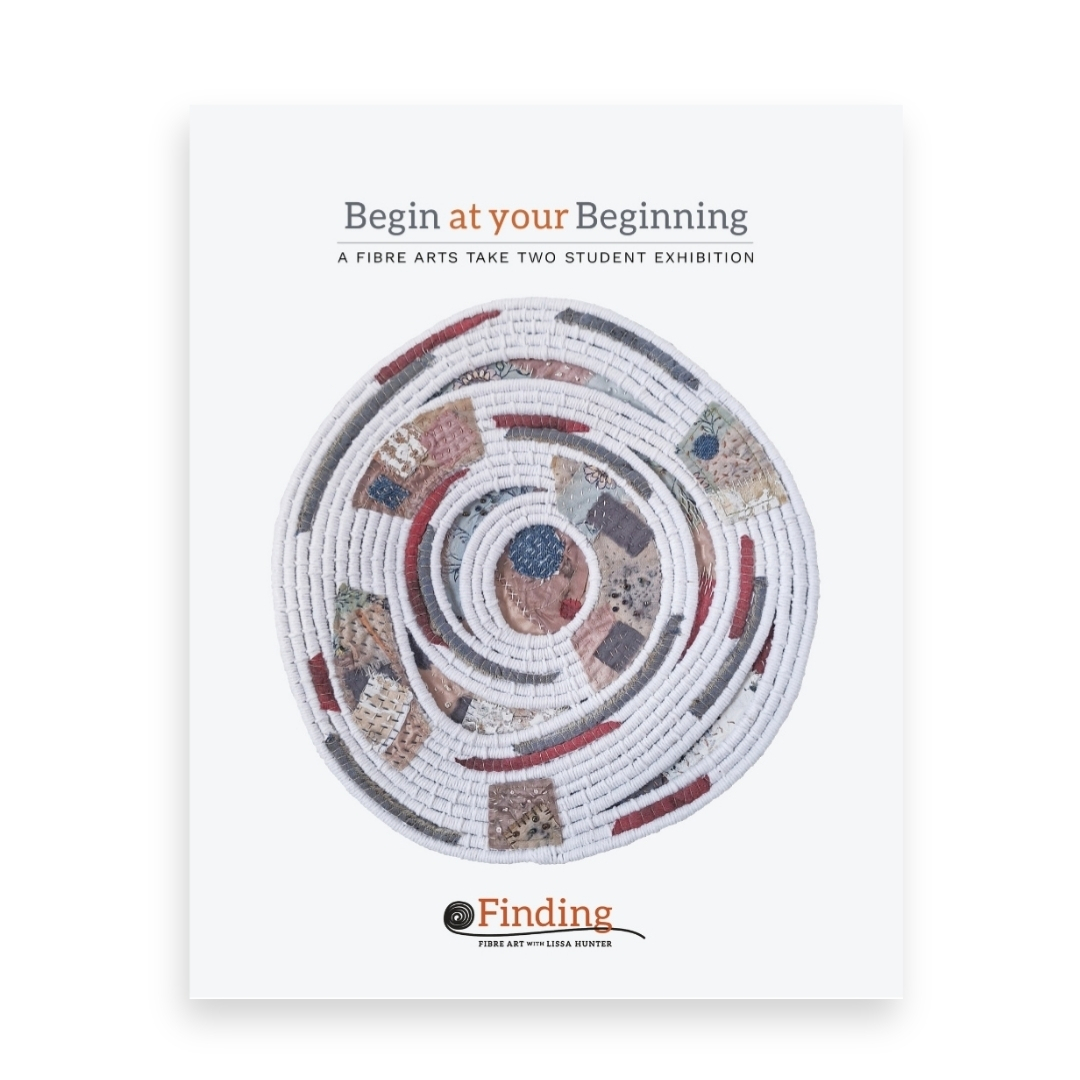
Student exhibition:Connecting with Lissa Hunter “The beginning is the most important part of the work.”— Plato"When I graduated from college...