1 min read
Art vs. Craft – Insights from Claire Benn
Claire Benn, a visual artist and tutor of Beyond Technique, offers a refreshing perspective on this age-old question. Below, we explore her thoughts,...
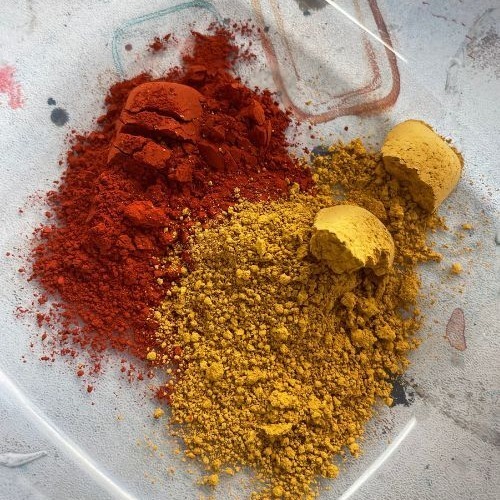
The oldest source of colour, earth pigments are sourced from minerals, soil, and clay, and offer a unique, organic quality that connects artwork to the land itself. Unlike synthetic colours, earth pigments provide a depth and warmth that is difficult to replicate.
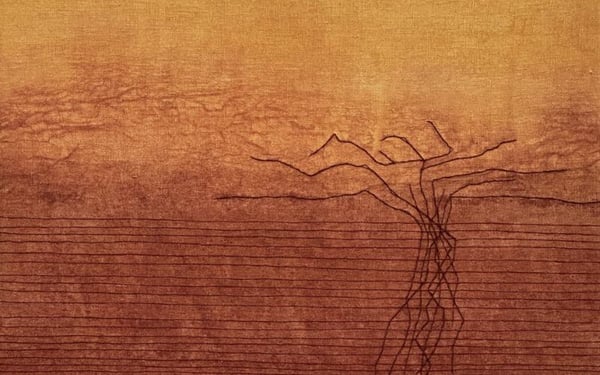
Artwork by Claire Benn
Whether you’re drawn to their historical significance or intrigued by their raw beauty, incorporating earth pigments into your mixed media art can add depth, texture, and a sense of authenticity to your creative practice.
1. Eco-friendly and sustainable
Unlike synthetic paints, earth pigments are naturally occurring and non-toxic, making them an environmentally conscious choice for artists. Using them allows you to reduce reliance on chemically processed materials while embracing nature’s palette.
2. Rich textural qualities
Because earth pigments are often ground into powder and mixed with binders, they offer a gritty, tactile texture. This makes them perfect for building up layers, enhancing surfaces, and adding depth to mixed media pieces.
3. Historical and cultural significance
Earth pigments carry a deep historical resonance, having been used by indigenous cultures, ancient civilizations, and master painters throughout history. Incorporating them into your work can create a bridge between past and present, grounding your art in a sense of continuity and tradition.
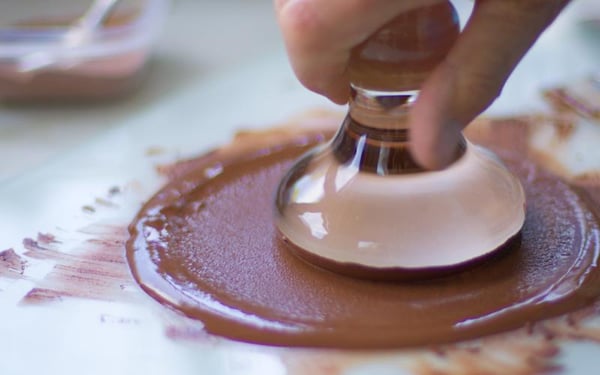
One of the most exciting aspects of working with earth pigments is the ability to create your own paints. To create an earth pigment paint, you’ll need to mix the pigment powder with a binder, which acts as a medium to hold the powder particles together and adhere to surfaces. This presents the perfect opportunity to experiment and mixing pigment powders with different types of binders allows you to experiment with consistency and transparency.
Here’s a basic binder recipe:
Mix thoroughly to create a smooth, even paint (or repeat as needed for desired consistency) and apply with brushes, palette knives, or even your hands.
Earth pigments can also be combined with gesso, gel mediums, or plaster to create textured surfaces. When using this form, try applying the pastes with a palette knife or stencil to add dimension and movement to your artwork.
For fibre artists, earth pigments can be applied to dry or damp fabrics, threads, or paper. Mixing pigments with natural substances like soy milk or alum helps you create beautifully muted, earthy tones on textiles, which you can then incorporate into collage or stitched pieces or even use for mark making.
Because earth pigments naturally blend well with water, you can use them for washes, splattering, and antiquing effects. Try rubbing them into textured surfaces or layering them over mixed media backgrounds to create a weathered, timeworn effect.
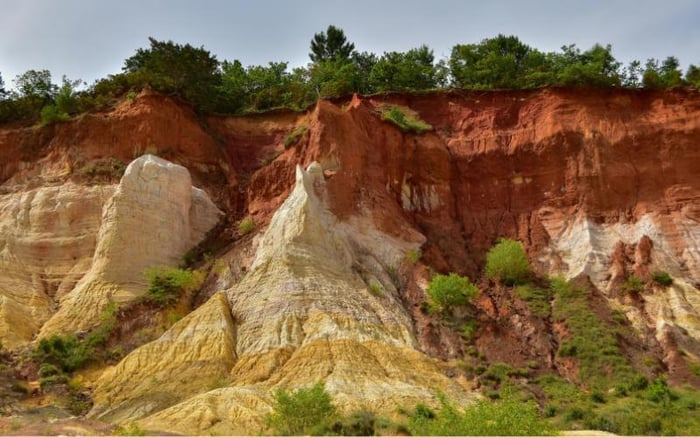
Working with earth pigments invites a deeper connection to nature, history, and the creative process itself. Their organic hues, rich textures, and sustainable qualities make them a versatile and meaningful addition to any mixed media artist’s toolkit. Whether you're painting, collaging, or incorporating fibre and cloth, experimenting with earth pigments can open up new creative pathways and inspire work that feels deeply connected.
If you love using earth pigments or are keen to learn more and introduce them into your art practice, you’ll LOVE Out of This Earth with Claire Benn.
Artist and tutor Claire Benn wants you to experience the incredible results of working in this medium and avoid some of the frustrations she felt when she first discovered this new way of working.
By the end of the course, you’ll know how to create your own pigment paint, prepare and work with cloth, layer colour and texture, and develop compositions that reflect your own creative voice. Everything is laid out for you: not just the steps, but the why, and the how, too.
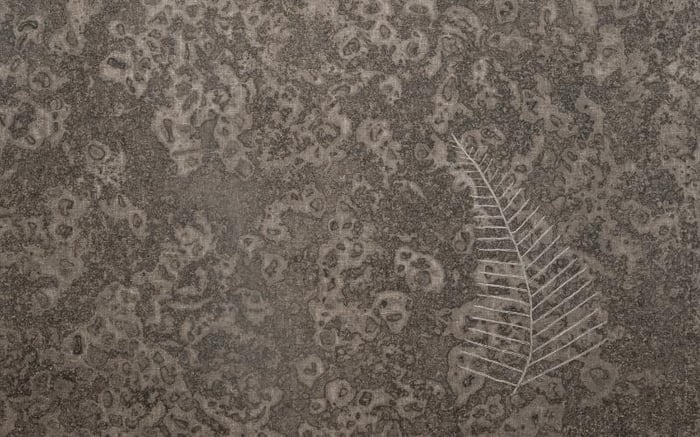
Artwork by Claire Benn
1 min read
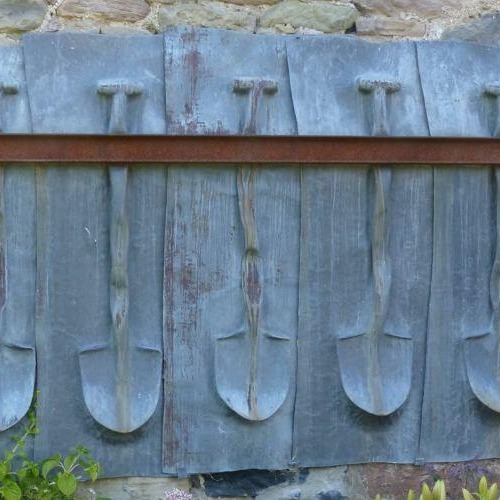
Claire Benn, a visual artist and tutor of Beyond Technique, offers a refreshing perspective on this age-old question. Below, we explore her thoughts,...
1 min read
.jpg?width=30&name=Benn%20TEXTure%20(6).jpg) Claire Benn : Mar 9 2024
Claire Benn : Mar 9 2024
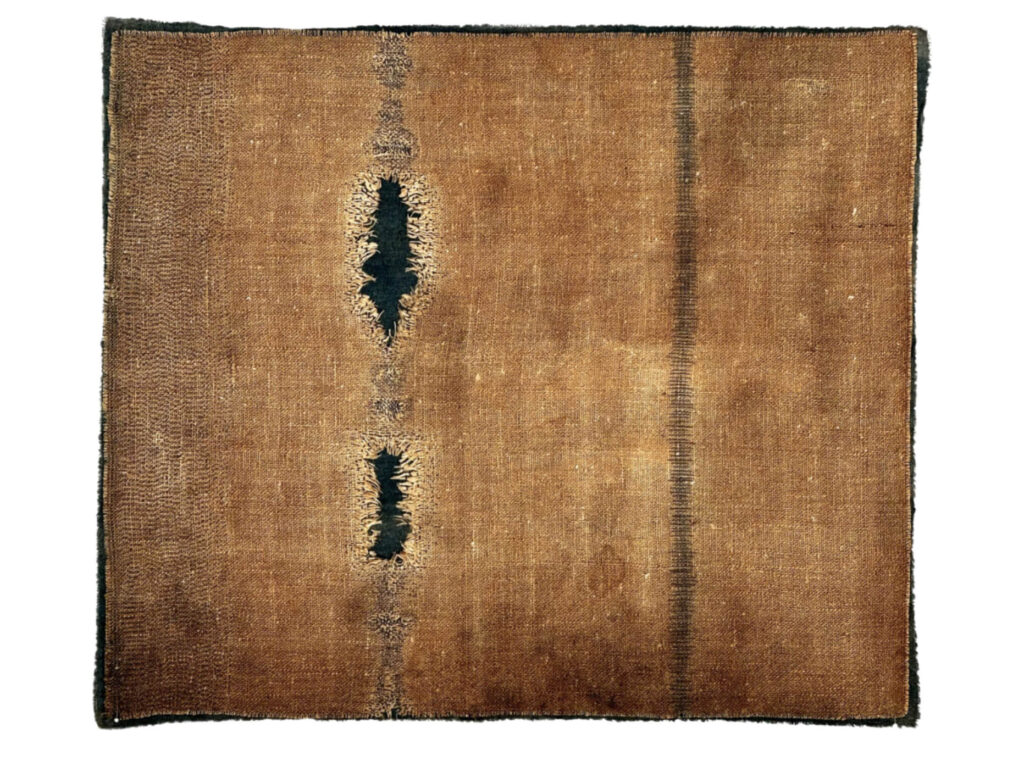
A dialogue with my work While engaging with participants on the Out of This Earth online workshop a student (Marielle) commented, “It’s about...
1 min read
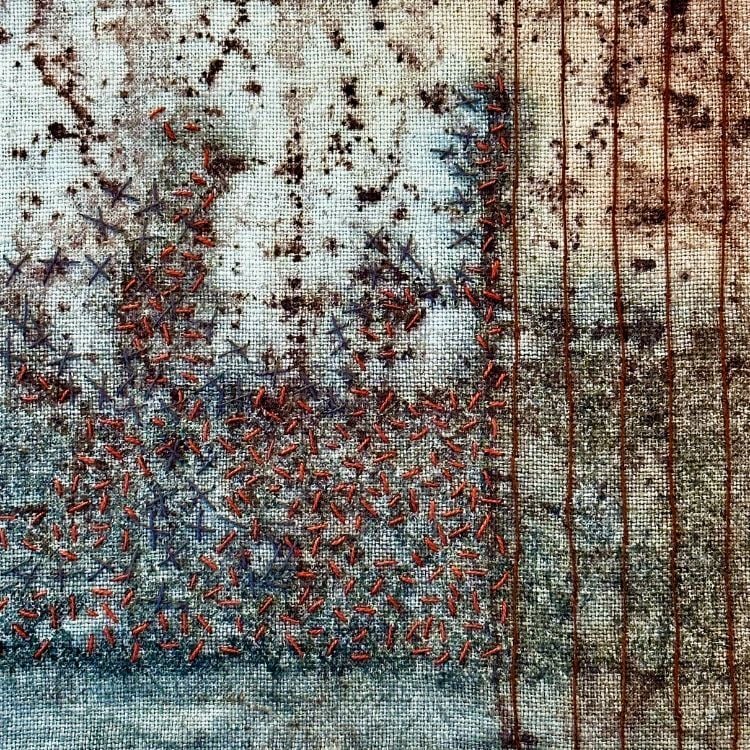
Artist Claire Benn works in mixed media textiles, raw earth pigments, natural dyes, acrylic paint and thread. Her work is...
1 min read
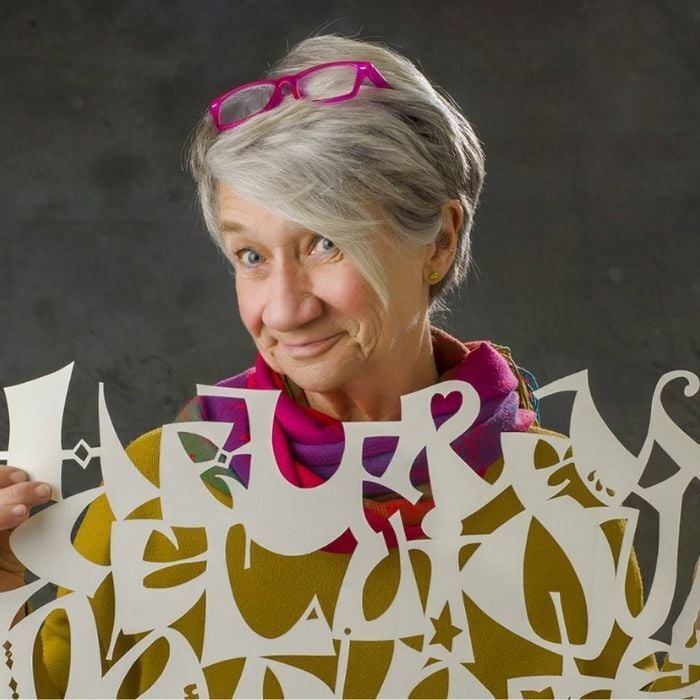
Calligraphy didn’t come into Denise Lach’s life by choice – it chose her. From childhood drawings in her father’s pastry workshop to a lifelong...