Sally Blake: Stories Within Nature
From nurse to visual artist, Sally Blake translates the subtle languages of nature into stunning visual narratives, bridging the human experience...
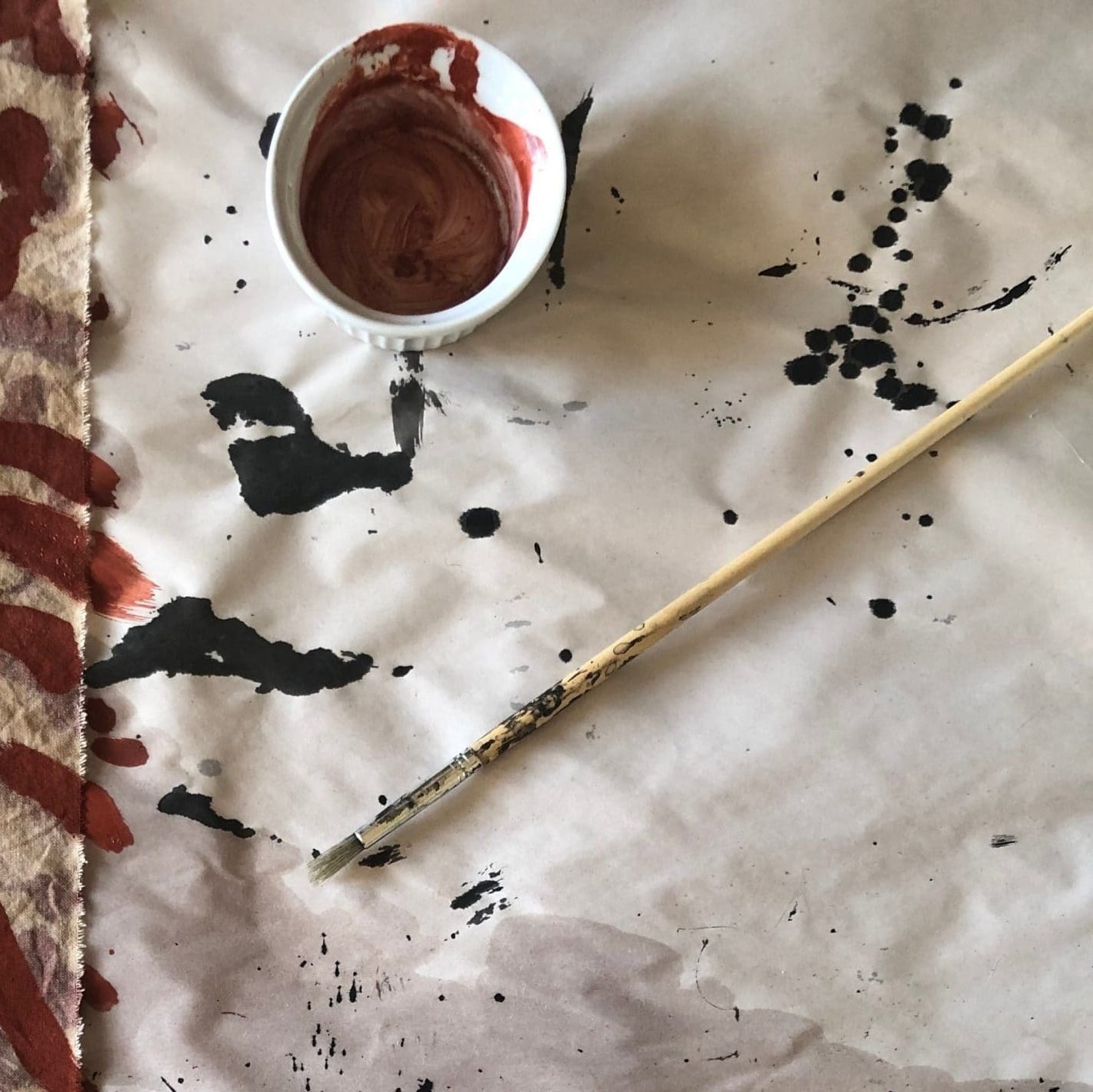
A fresh canvas, a clean sheet of paper or a length of cloth you've been saving for the right project - weirdly, they all make starting that new project harder, instead of easier. And worse still, suddenly the thread box needs sorting, the washing is calling you, or that book needs reading. We might not realise it at the time, but they’re all stalling tactics under different names, that result in the same thing…. not starting.
While creative block is the broadest term, blank canvas syndrome is the most familiar version to artists, which often eases once you find a small way into your work.
Here are some of our favourite practical ways to unblock and get your creative thoughts flowing again.
The broadest term for any stall in making or in coming up with ideas is creative block, and it affects writers and musicians as well as visual artists. Within art, you'll also hear it called artist's block or art block. Blank canvas syndrome is one particular form of creative block, where the hesitation arrives right at the start - when an empty surface is waiting and every option feels equally possible and risky.
Blocks tend to sprout and grow from either:
The pressure to make something good, or
Being worn out
Sometimes, it’s both at once. We've all been there.
Our Creative Director, Jo Wright, adds a third point:
Creative block isn't always about having too few ideas or too little time. Sometimes it's the opposite: too much ambition, too many possibilities, and no obvious place to begin.
It helps to work out which kind you're facing, because doubt about the work, tiredness, too many possibilities and a shortage of ideas each call for a different response. That's why the ideas below come at it from several directions.
It's also worth remembering that this is normal.
Creative block is widely described as a natural part of the creative process, and most people who make things meet it at some point. Remember, it isn't a sign you've lost your ability, or that you're not cut out for this.
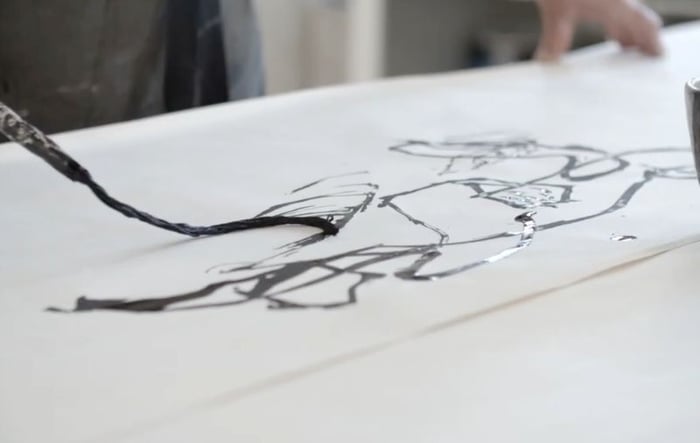 Lorna Crane mark making
The quickest way to break the spell of a blank surface is to put something on it. A word, a pencil line, mark making with ink, a few stitches, anything! Once there's something on the surface, you have something to respond to, which is far easier than inventing from nothing.
Those first marks are only there to exist, so it doesn't matter if they're removed, painted over or unpicked later.
Our Content Manager, Nicola Rough, puts it more bluntly: just do it. (and she's right)
Not thinking about doing it, not making a list about doing it, not talking about doing it, but DOING IT. And also not white-knuckling your way through it either - ease into it, start even if you don't know where you're going with it. The quality with which you move impacts your body and your life. Get paint on canvas, get ink on paper, thread that needle through knowing nothing is permanent, you can always start again, erase, paint over, rip stitches, get new fabric, make something new. Just do it.
And if you're not sure what that first mark should be, the next idea gives you somewhere to start.
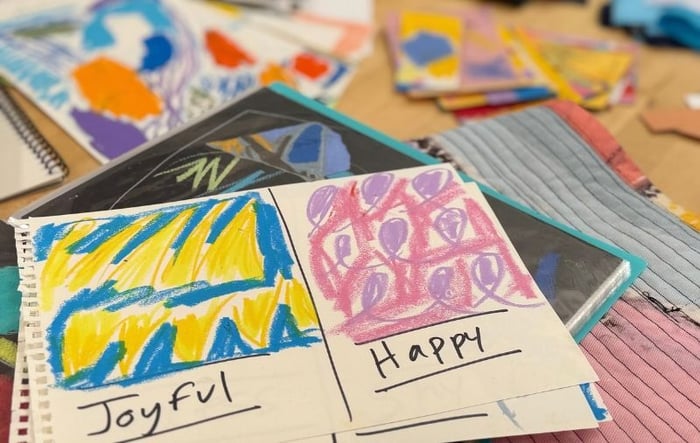 Julian Jamaal Jones' creative notes and word prompts
A blank canvas offers unlimited options, and that freedom can be paralysing. Using a creative prompt can help you make the first decision, and lets you control how you interpret it.
Prompts to try:
Choose and use only three materials from your stash.
Work in a single colour family for the whole piece.
Begin with a word, such as remember, release or reclaim, and build visually from there.
Start a line or shape with your non-dominant hand.
Choose whichever appeals, and let the prompt go once the piece has found its own direction.
The crux of this idea is that if you never meet a truly blank surface, you never have to face one.
Often, many painters brush a thin wash of colour over a white canvas before they begin. The technique is known as toning, and it means they never have to face stark white. This idea carries across media, where artists working with fibre or mixed media can build in texture and layers in advance stages.
Ways to prepare a surface:
Cover it with torn book pages or eco-dyed papers.
Apply gesso and scrape it back for texture.
Layer sheer fabrics or paint washes.
Stitch lines or grids onto cloth or paper with no final plan.
When you return to a surface like that, something is already happening, so you only have to respond, versus create from scratch.
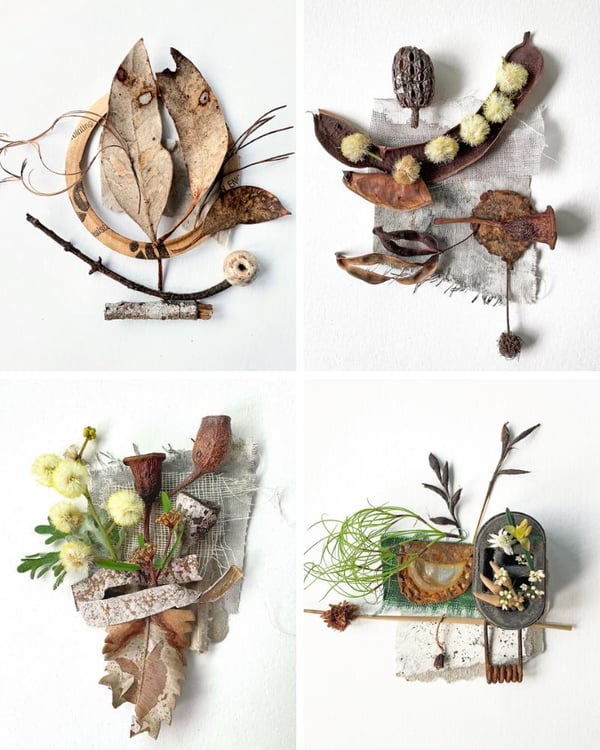 Tara Axford's small vignettes using pockets finds from her nature walks - Inspired by Nature
Working small lowers the stakes, because a swatch, a thread sample or a postcard-sized collage rarely becomes the precious final piece. Giving yourself that small freedom often lets your ideas arrive more abundantly. Try to treat every start as a study: if it works, you have a piece, and if it doesn't, you've learned something for the next one.
Making several small pieces on a single theme takes even more pressure off each one. Try the same idea in three versions, changing the colour palette or the composition each time. You can also explore one material or subject across all of them. Then lay the pieces side by side. You might notice you reach for the same colours, shapes, marks or materials each time, and those repeats can point you toward what interests you.
Small slices of time work the same way, and Jo has seen so many artists do exactly this, grabbing the smaller moments:
My tip, and what I've seen so many artists do, is to grab the smaller moments. Consistency. Do something small every day. If I know I’ve only got 30 minutes to make something, I’m much more likely to pick something up and have a go, than get caught up worrying about whether it's good or bad, resolved or unresolved.
– Jo Wright, Take Two Creative Director
Keep that up and it starts to become the routine in Idea #8.
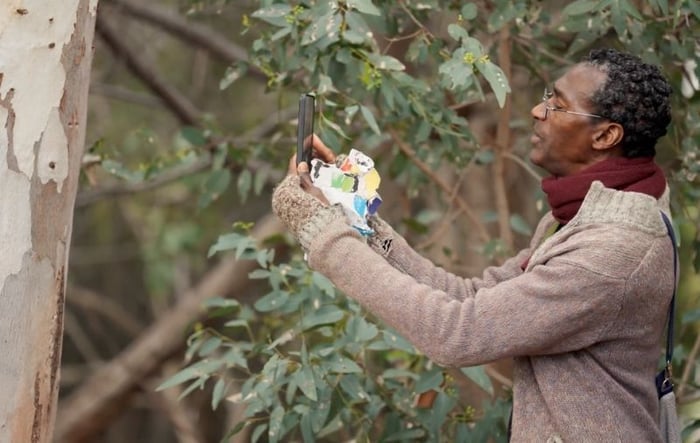 Robert Lee Davis on a walk to gather inspiration
Stepping away can feel like avoiding the work, but it's also an important part of the work, especially after a long stretch of making with little coming in, so it’s an idea worth borrowing when you're stuck (and getting our daily steps up is a hidden bonus!).
A 2014 Stanford study found that creative output rose by an average of 60 percent while people walked, either indoors or outside. The boost in output especially showed up in generating new ideas, rather than focused problem solving.
Given the idea stage is where a blank surface leaves you stuck, a short walk before you start making can be a great addition to your process. While you’re out, think about what catches your eye, and come back with a few small finds, a page of notes or a handful of photographs, and the surface probably no longer feels quite so empty.
Walking features in several of our courses too, as a way of gathering ideas, textures and marks.
In Joyful Embroidery, Fleur Woods invites students on a walk to her most treasured beach, where they borrow colours and textures from nature and turn them into abstracted fibre forms.
Karen Olson, a certified Forest Therapy Guide, begins Focus and Flow outdoors with forest bathing, the Japanese practice of immersing oneself in nature, and students bring natural finds from their walk back to the studio.
And in Life Landscapes, collage artist Robert Lee Davis has students gather materials from everyday surroundings, including on walks, and teaches that gathering is a creative act in its own right.
Resetting your space helps in a similar way to stepping away. Try clearing the table (I'm guilty of the clutter building up), putting materials away and starting again with a clean surface, to mark a clear break from the stuck session. Other alternatives are looking at work you love, in galleries or books, to give you something to take in, versus having to put out all the time.
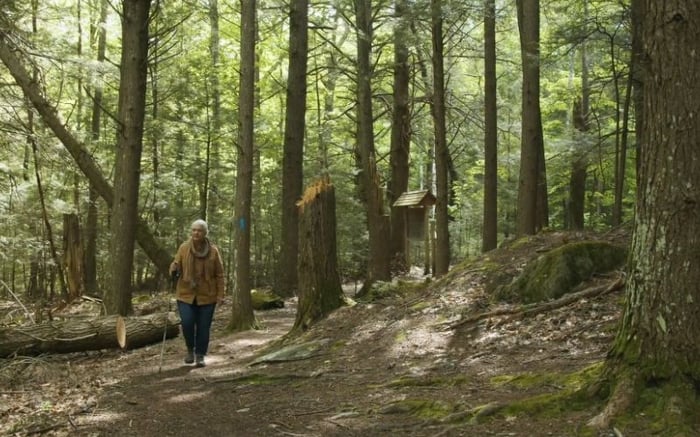 Karen Olson on a walk through the forest.
Perfectionism and the fear of getting it wrong sit behind many creative blocks (including my own). A reliable way to loosen them is to acknowledge before you start that this attempt is allowed to be rough.
Most work goes through a stage where it looks strange, unbalanced or messy, and layered fibre and mixed media work in particular needs patience. And the middle of a piece really is a poor indication of how it will end up.
That said, a piece that never reaches a finished state still shows you something about the materials, and that definitely counts as progress.
It's also good practice here to embrace what you think are mistakes as you create. It's actually something we'll delve into in a future blog article. (See, I just came up with an idea while I was writing this, so now that's going in my ideas pile - when you read idea #9, this comment will make sense!).
A block often arrives with a lot of self-criticism, such as a voice that says you've lost your touch or your work isn't 'good enough'.
Self-criticism is one of our worst enemies, and harsh self-judgement tends to add to the pressure. Be kind to yourself! Talk to yourself the way you would to a friend in the same spot. Give yourself credit for turning up, even on days when very little gets made, and count rest as part of the process.
Sometimes a rhythm helps more than any technique. Having a short, repeatable routine signals that it's time to begin, such as laying out your materials in the same order, putting on the same music, saying a particular phrase out loud to yourself, or even a short meditation session. What's the smallest version of that for you?
Over time, the ritual will silently signal that starting is something you simply do.
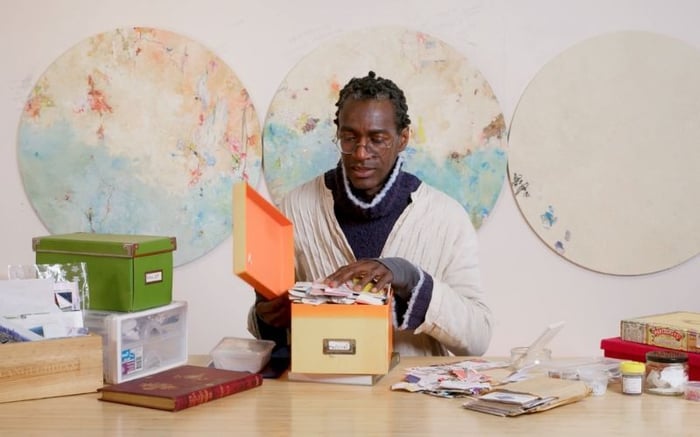 Robert Lee Davis with the many scraps and ideas he has collected
Inspiration often turns up when you're away from your creative workspace, so having somewhere to catch and keep that inspo means you won't be starting from nothing. Set up a basket, envelope, container or sketchbook for colour palettes, scraps, textures, photos and words that appeal to you. So then, when a blank surface looms, you can go to your idea-store first.
Visual journaling is also worth doing - whether you doodle, write or stitch with no agenda. It's art for you, not for display, and it keeps you making and connected to your creativity on the days you can't face a bigger piece.
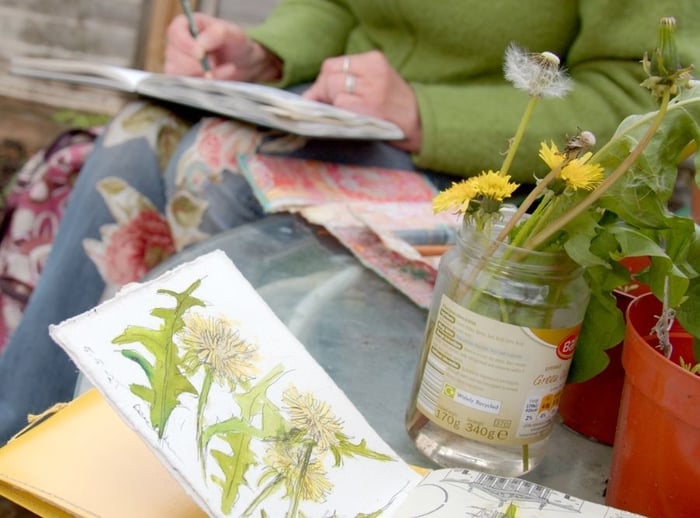 Cas Holmes sketching and recording ideas - visual journaling.
Talking with other artists, in person or online, eases the isolation that often comes with a block.
Asking how someone else begins, sharing a half-finished piece or working alongside others now and then often sparks a new idea, and gives you the company of like-minded creatives. The Take Two creative community group on Facebook is one place to connect with other artists.
Choose one idea from the ten that feels the lightest and give it 10 minutes this week. A single mark or a short walk is enough to begin. You can return to the others when you need them, because different blocks call for different ways in, on different days.
You’ve got this.
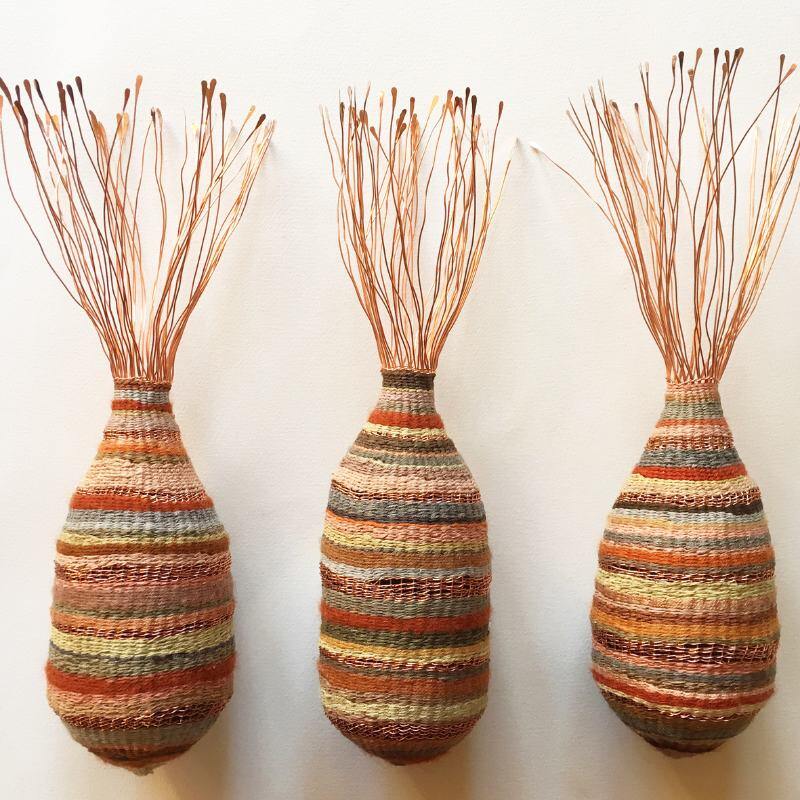
From nurse to visual artist, Sally Blake translates the subtle languages of nature into stunning visual narratives, bridging the human experience...

We're shining the spotlight on student and artist Annette Holtkamp. Her artistic path blends science, nature, and a connection to materials. It's a...
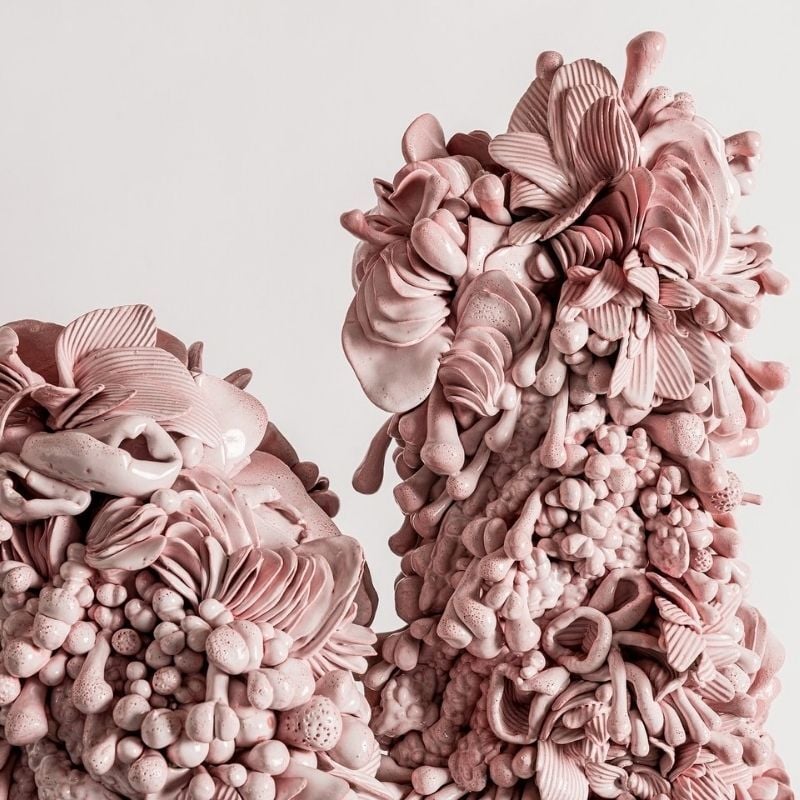
What is contemporary ceramics? Discover how today's ceramic artists move beyond pottery into sculpture, story, and material experimentation.
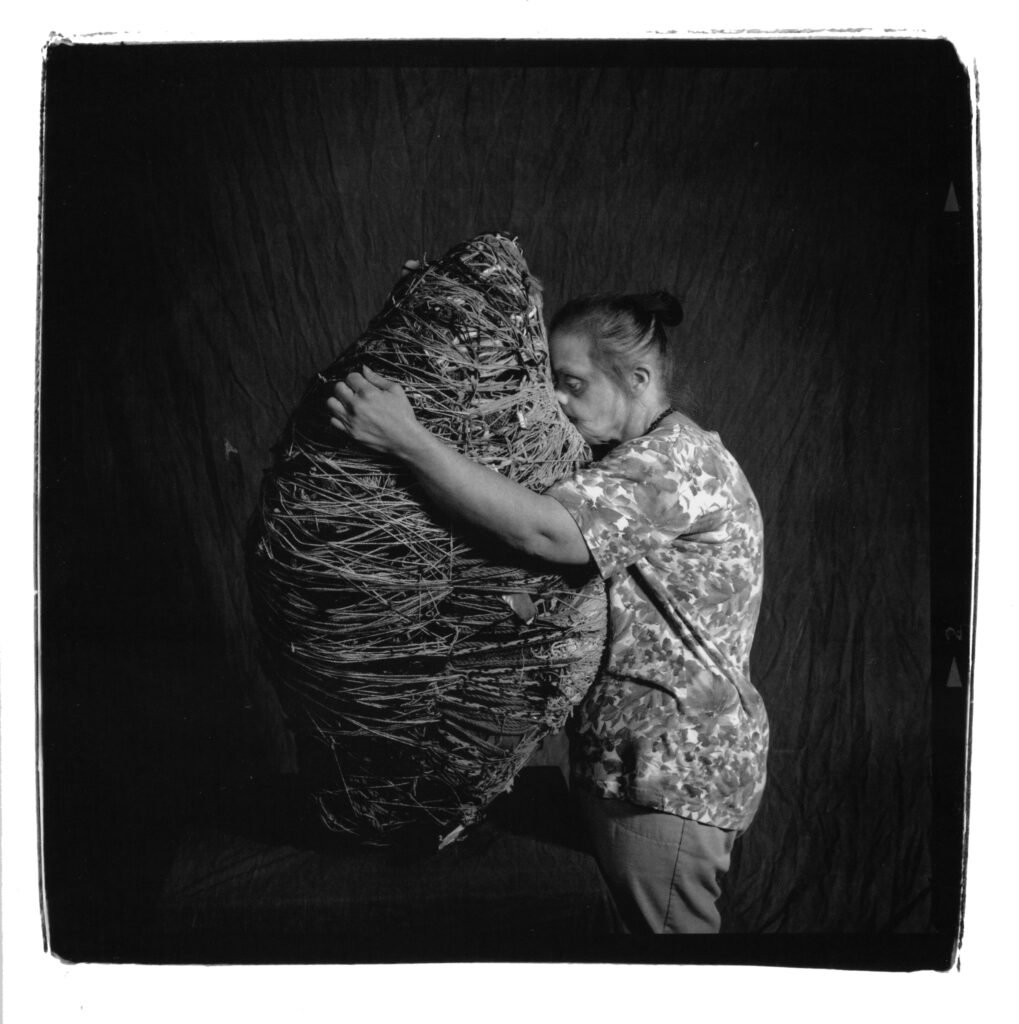
An article about the life and work of Judith Scott, Fiber Artist extraordinaire, written by Diane Franklin for Take Two.